Pests don't wait. Protect your home today.
Rats and Mice in South Florida
Roof rats, Norway rats and house mice: how to tell them apart, where they get in, and when to call.
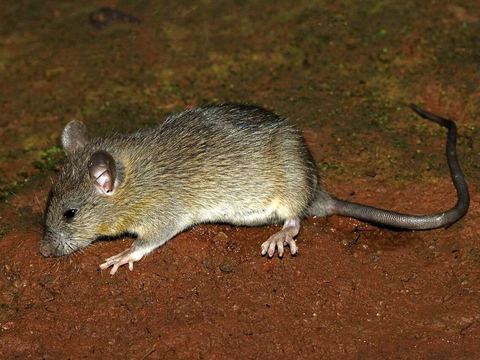
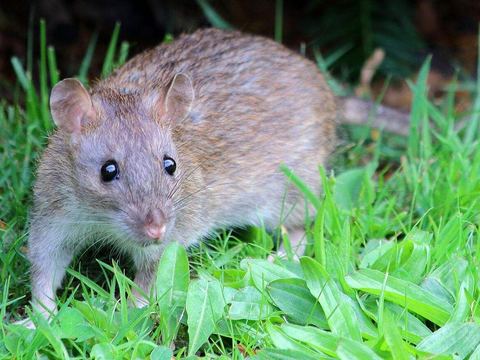
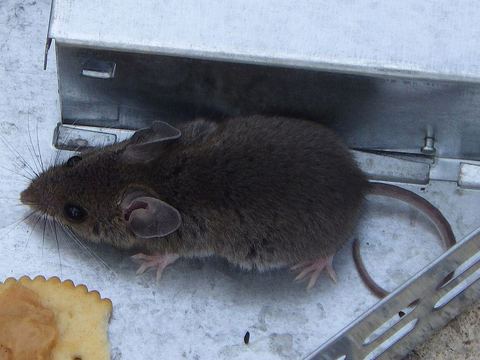
$50 OFF your first service + FREE inspectionNew customers · No code needed · No expirationThree rodents account for almost every rat or mouse problem in a South Florida home. Roof rats climb palms, fruit trees and utility lines to reach the attic. Norway rats burrow along foundations, seawalls and canal banks. House mice move into kitchens, pantries and garages. Scratching in the ceiling at night, droppings in a cabinet or chewed food packages all mean it's time for an inspection. Call or text anytime: 833-845-9284.
- Disease risk
- Property damage
- Contamination
- Disease risk
- Property damage
- Contamination
- Property damage
- Contamination
- Allergens
Rats and mice through the South Florida year
Rodents are here year-round, but a few local patterns bring them closer to the house. When mangoes, avocados and other backyard fruit ripen, roof rats feed in the trees, and a fruit-heavy branch touching the roof is both a meal and a bridge to the attic. Our guide to mango season and roof rats covers picking fruit and trimming branches back. Storms are the second push. Wind can loosen soffits, vents and roof tiles, and a few nights after a hurricane many homeowners start hearing movement overhead; see rodents after a hurricane. Roof rats indoors often pick up in cooler or rainy periods too. Older block homes have their own weak spots: decades of add-ons, window A/C units and pipe openings that leave gaps a rat or mouse can use. Norway rats stay low, living in burrows near seawalls, canal banks, dumpsters and ground-level storage. If you're not sure what's moving above you, start with scratching in the ceiling at night.
Which one is it?
| Rodent | Size | Color | Where it's found | Key sign |
|---|---|---|---|---|
| Roof rat | Body about 6 to 8 inches; tail longer than head and body | Dark gray to black or brownish, lighter belly | Attics, roof voids, palms, fruit trees, hedges, fence tops | Noises in the ceiling at night |
| Norway rat | Larger and heavier; tail shorter than head and body | Brownish with scattered black hairs | Foundations, seawalls, canal banks, under slabs, dumpsters | Burrows along the foundation or seawall |
| House mouse | Body a few inches; tail about as long as the body | Light brown to gray, lighter belly | Kitchens, pantries, garages, behind appliances, cabinets | Droppings and chewed packages in cabinets |
What we do and when to call
Rodent control starts with a FREE inspection of the roofline, attic, garage and foundation. Then come trapping, bait stations placed according to the label, and sealing the entry points rats and mice are using. We seal entry points ourselves, but we don't repair damage. We come back for a set number of follow-up visits and tell you up front how many your property likely needs. See rodent control.
También conocidas como: ratas, ratas en el techo, ratones
New customer offer
$50 OFF your first service
+ FREE inspection
Then stay protected with our $125 quarterly pest control plan, about $42/month.
New customers only. No code needed and no expiration. Mention this offer when you call or text.
Frequently Asked Questions
Is rodent control part of the $125 quarterly plan?
Do you fix the damage rats leave behind?
Is it rats or mice in my house?
Ready when you are: FREE inspection
Get $50 OFF your first pest service and a FREE inspection & estimate. Ongoing protection is $125 quarterly (about $42/month), with no long-term contracts and no cancellation fees.
Prefer to text or email? Text us · info@prospraypest.com