Pests don't wait. Protect your home today.
Rodent Control & Rat Removal in South Florida
Get rats and mice out of your home or business, and keep them out.
$50 OFF your first service + FREE inspectionNew customers · No code needed · No expirationRats and mice, handled
Pro-Spray's rodent control in South Florida starts with a FREE inspection, then trapping, bait stations placed according to the label, and sealing the entry points roof rats and mice use. We come back for a set number of follow-up visits, and we tell you up front how many your property likely needs. We seal entry points ourselves, but we don't repair damage. Rodent control is its own service, separate from our $125 quarterly plan.
Rats and mice look for food and shelter, especially in older homes, around fruit trees and bird feeders, and in garages, attics, barns and feed rooms. We handle them in houses, condos, rentals and businesses across Miami-Dade, Broward and Palm Beach counties. The goal is simple: remove the rodents that are already inside, then close the gaps so new ones can't follow.
Rodents we see most in South Florida
- Roof rats: agile climbers that travel along palms, branches and power lines and nest in attics. See our roof rat profile.
- Norway rats: heavier rats that burrow and nest at ground level, around foundations, sheds and garbage areas.
- House mice: small enough to squeeze through tiny gaps, and often found in kitchens, garages and wall voids. See the house mouse profile.
Signs of rats or mice
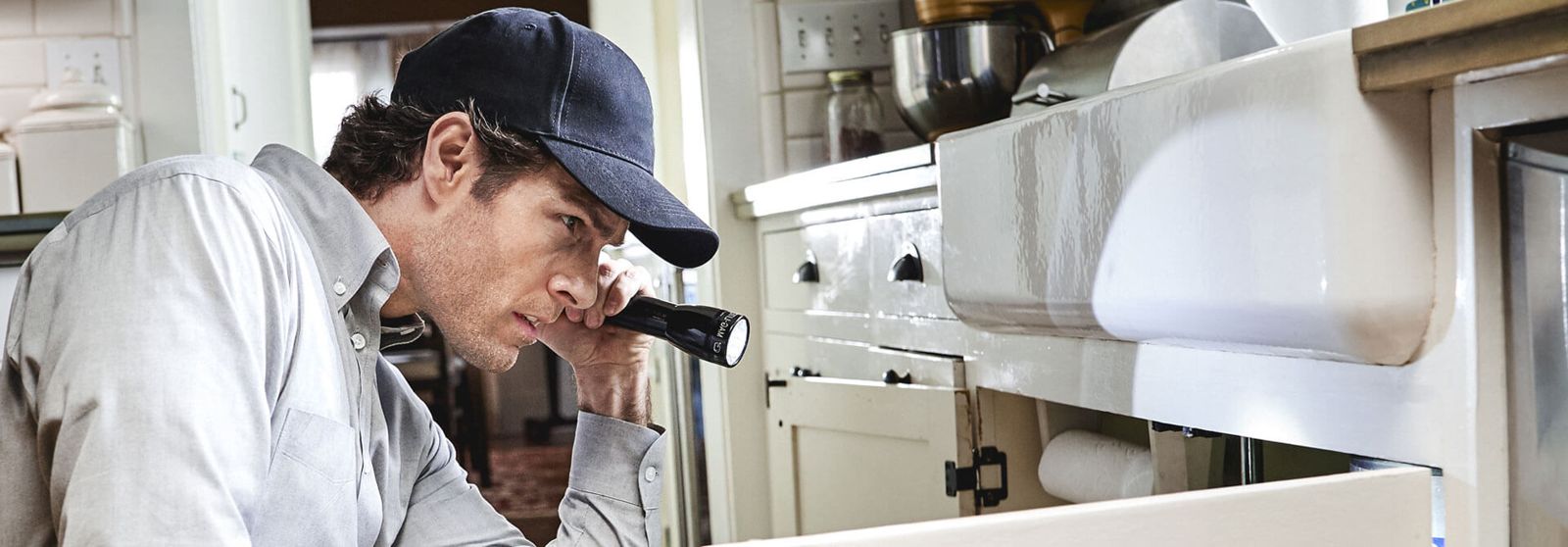
Most people hear rodents before they see them. Watch for:
- Noises at night: scratching, running or gnawing in the attic, ceiling or walls. Our guide to scratching in the ceiling at night explains what it usually means.
- Droppings in cabinets, under sinks, in the garage or along attic insulation.
- Gnaw marks on wood, wires, AC line insulation or food packaging.
- Greasy rub marks along walls, beams and the edges of openings they use every night.
- Fruit damage: half-eaten mangoes, avocados or citrus under the tree, or hollowed fruit still hanging.
- Pets acting up, staring at a wall or ceiling or pawing at the same cabinet.
One sign can be a passing visitor. Several signs, or droppings in more than one spot, usually means rodents are living inside. The FREE inspection tells you which.
Roof rats in South Florida
Roof rats are the rats we find most often in attics. They live up high: in palm crowns, dense trees and overgrown hedges, then cross to the house along branches, fences and utility lines. From the roof, they slip in through soffit gaps, roof vents, gaps around tile and openings where AC lines and cables go through the wall. Fruit trees make it worse, because a mango or avocado tree is food and a ladder in one.
Here's how roof rats get from the yard to the attic, and why mango season and roof rats go together. Trimming branches back from the roof and picking up fallen fruit every day are two of the most useful things you can do between visits.
Our rodent control approach, step by step
- Inspection. We look for activity, droppings and the entry points rodents use, from rooflines and soffits to AC lines, vents and garage doors. We show you what we find and explain the plan before we start.
- Trapping and bait stations. Traps go where the activity is, such as attics and garages, to remove the rodents already inside. Inside the home, we use traps and, only where the label allows, rodent bait placed out of reach of kids and pets. Outside, tamper-resistant bait stations go where they make sense, designed to keep children and pets out.
- Exclusion: sealing entry points. We seal the gaps and openings rodents are using ourselves, so new ones can't follow. Exclusion means sealing entry points only; we don't repair damage to wood, roofs or tile. Read more about what rodent exclusion is.
- Sanitation advice. Simple steps like trimming branches back from the roof, securing trash and pet food, storing feed in sealed bins and picking up fallen fruit.
- Follow-up visits. We come back for a set number of follow-up visits to check and reset traps and stations, and we tell you up front how many visits your property is likely to need.
Every product is EPA-registered and applied by licensed technicians according to its label. Pricing is quoted after your FREE inspection.
Older homes, boats and businesses
Older homes tend to have more ways in: aging vents, gaps at the roofline, old window-unit openings and patched utility runs. Our guide to older homes and rodent gaps shows where to look. If you keep a boat docked at home, rats can climb aboard from the dock and the lines; see what to do about rats on boats and docks.
For restaurants, warehouses, stables and other businesses, rodent work is part of a scheduled service with a written report after every visit. See commercial pest control.
Before your inspection
A few things help us find the problem faster and keep your family out of the mess:
- Write down what you hear and when. Scratching at dusk over the kitchen tells us more than "noises upstairs."
- Don't sweep or vacuum droppings dry. Our guide on how to clean up rodent droppings walks through the right way.
- Seal up food, not holes. Put pet food, bird seed and pantry food in sealed containers, but leave the entry holes you find for us. Closing them before the rodents inside are removed can trap them in the walls or attic. We seal those openings ourselves as part of exclusion, at the right point in the job.
- Pick up fallen fruit and move stored boxes off the garage floor.
Storms and flooding push rats and mice toward dry ground, often into garages and attics. If activity started after a big storm, see rodents after a hurricane.
Rodent Control by city
- Rodent Control in Hollywood
- Rodent Control in Pembroke Pines
- Rodent Control in Davie
- Rodent Control in West Park
- Rodent Control in Pembroke Park
- Rodent Control in Hallandale Beach
- Rodent Control in Dania Beach
- Rodent Control in Cooper City
- Rodent Control in Southwest Ranches
- Rodent Control in Weston
- Rodent Control in Miramar
- Rodent Control in North Miami Beach
- Rodent Control in Miami Gardens
- Rodent Control in Fort Lauderdale
- Rodent Control in Lauderhill
- Rodent Control in North Miami
- Rodent Control in Plantation
- Rodent Control in Pompano Beach
- Rodent Control in Hialeah
- Rodent Control in Miami
- Rodent Control in Boca Raton
- Rodent Control in Miami Beach
- Rodent Control in Coral Gables
Know your pest
Rodent control in South Florida: FAQs
What are the signs of a rat infestation?
Are roof rats common in Florida?
Do you seal entry points?
Will you come back after the first visit?
How much does rodent control cost?
New customer offer
$50 OFF your first service
+ FREE inspection
Rodent control is its own service, separate from our $125 quarterly plan (about $42/month) for roaches, ants and other household pests.
No long-term contracts and no cancellation fees. Rodent jobs are backed by our Bug Free Guarantee: If pests come back between visits, so do we, at no extra cost.
$50 off your first pest service
Get $50 OFF your first pest service and a FREE inspection & estimate. Ongoing protection is $125 quarterly (about $42/month), with no long-term contracts and no cancellation fees.
Prefer to text or email? Text us · info@prospraypest.com