Pest identification guide
Lawn and Garden Pests in South Florida: Identification Guide
Chinch bugs, sod webworms, mole crickets and whiteflies: how to spot lawn and hedge pests in South Florida. An identification guide only.
Brown patches aren't always drought. South Florida lawns and hedges face insect pests nearly year-round. Identifying the right one, often with a quick soap flush or a look at the soil, is the first step before deciding what to do. Pro-Spray doesn't treat lawns or plants.
Lawn Pests
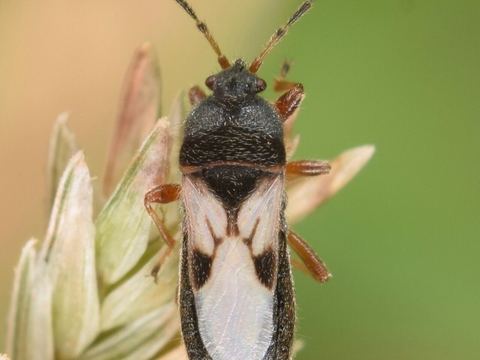
- Property damage
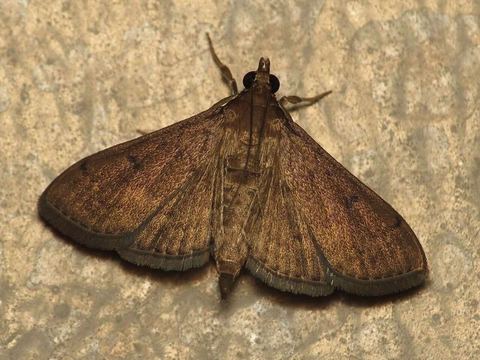
- Property damage
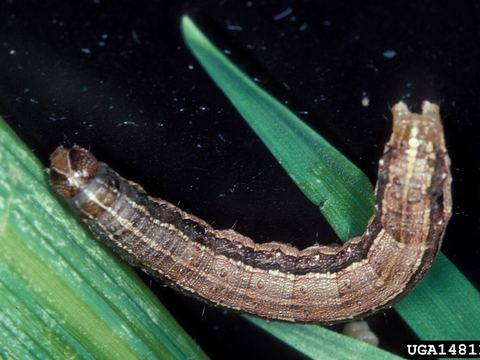
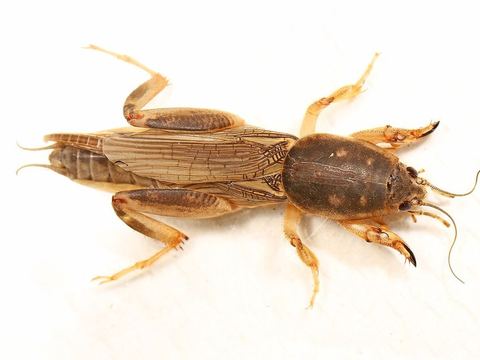
- Property damage
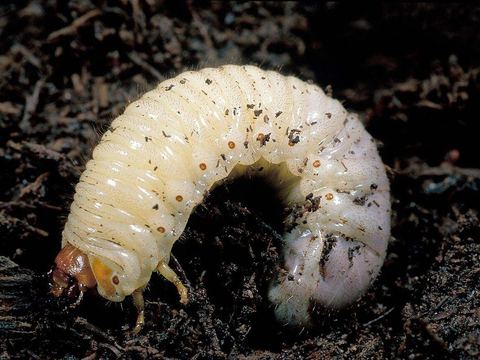
- Property damage
Hedges, Palms and Shrubs
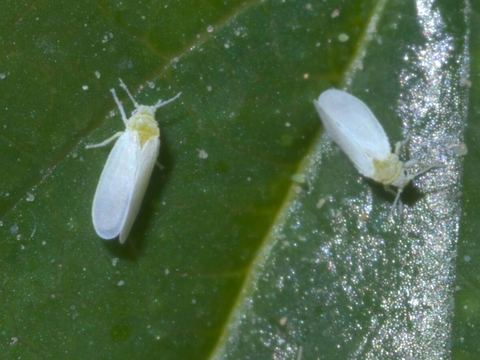
Lawn and hedge pests through the South Florida year
Each of these pests has its season. Chinch bugs do the most damage in hot, dry weather from spring through summer, usually starting in the sunniest parts of a St. Augustinegrass lawn, along driveways, sidewalks and curbs. Tropical sod webworms and fall armyworms build up from late summer into fall, when you may see small moths fly up as you walk across the grass in the evening. Mole crickets fly and lay eggs in spring, and the young ones tunnel and feed through late spring and summer, leaving sandy soil soft and lumpy. White grubs feed on roots underground, and the damage often shows from late summer into fall. Whiteflies can be found on ficus hedges and many landscape plants all year, with the heaviest buildups in warm months. Drought stress, too much water and mowing too low can look a lot like insect damage, so checking for the insect itself matters.
Which one is it?
| Chinch bugs | Yellow patches that turn brown and keep spreading | Hot, sunny spots near pavement | Part the grass at the edge of a patch and look for tiny black-and-white bugs |
|---|---|---|---|
| Sod webworms | Chewed, ragged blades and thin spots | Open, sunny turf | A soap flush brings the caterpillars to the surface |
| Armyworms | Grass browned fast across a large area | Edges of the lawn, then moving across | Look for striped caterpillars in the morning or evening |
| Mole crickets | Soft, spongy turf with raised tunnels | Sandy soil | A soap flush makes the crickets come up |
| White grubs | Wilting turf that lifts like a loose rug | Anywhere, often in patches | Cut and lift a square of sod and look for C-shaped larvae |
| Whiteflies | Leaf drop, sticky leaves, black sooty mold | Ficus hedges and shrubs | Shake a branch and watch for a small white cloud |
About Lawn and Plant Treatment
These pages are identification guides only. Pro-Spray doesn't treat lawns, shrubs or plants for plant pests. For turf or plant damage, contact a licensed lawn and ornamental provider or your UF/IFAS county Extension office, which can also help identify a sample.
Bugs getting inside your home? See our household pest library.
Frequently Asked Questions
Does Pro-Spray treat lawn pests?
Is it chinch bugs or drought?
What is a soap flush?
Questions? Call or text anytime.
Questions about a pest in or around your home? Call or text us.