
Pests don't wait. Protect your home today.
Small Roaches in the Kitchen? What They Usually Are and What Actually Works
Family-run, licensed and insured pest control in South Florida.
$50 OFF your first service + FREE inspectionNew customers · No code needed · No expirationYou flip on the kitchen light for a glass of water and a few small roaches dart off the stovetop and disappear behind the backsplash. Small roaches in the kitchen are a different problem from the big ones that wander in after rain. In South Florida they're usually German roaches, which live and breed indoors near warmth, food and water. They won't leave on their own, and the can of spray under the sink tends to make things worse, not better.
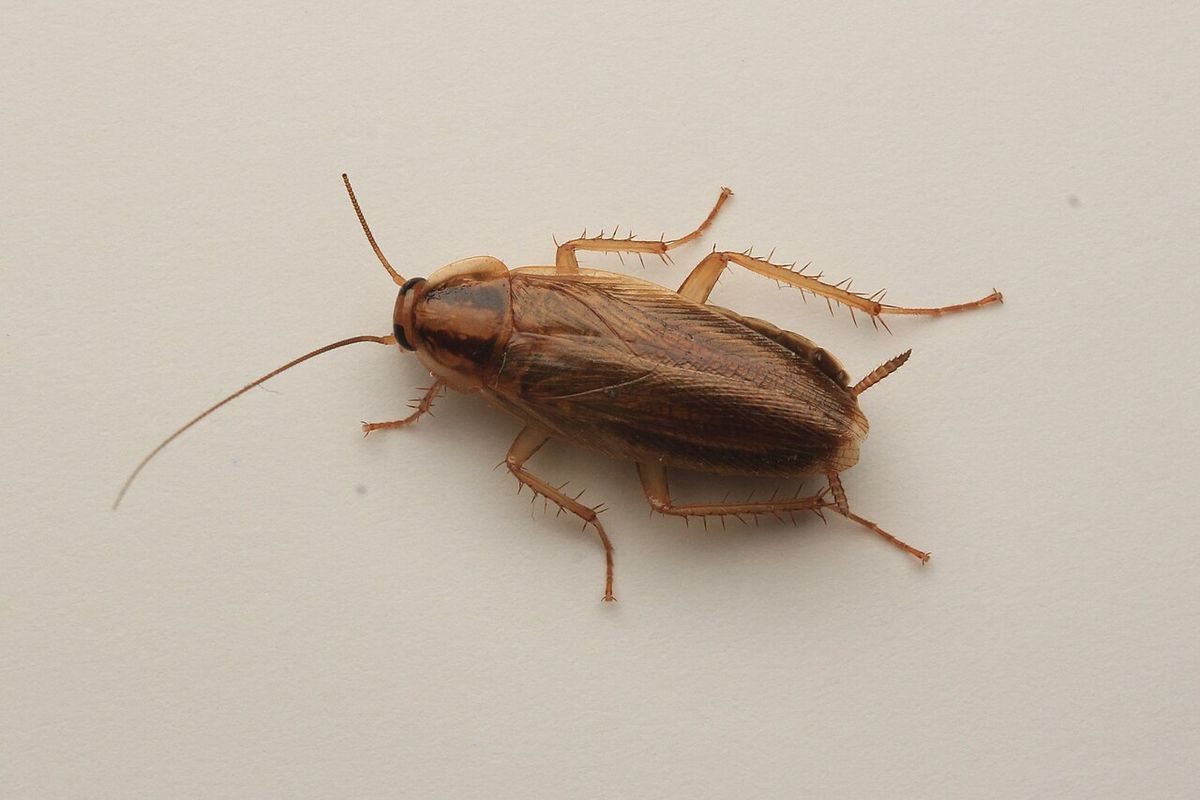
What those little roaches usually are
Light brown, about the length of a fingernail or smaller, with two dark stripes just behind the head: that's the German cockroach, and it's the one most people mean when they talk about little roaches in the kitchen. Our library page covers how to identify them. What matters here is where they live: inside, not in your yard.
That's the big difference from palmetto bugs. A big roach in the hallway after a storm probably came in from outside and would rather go back. If that's what you saw, read our post on finding one palmetto bug instead.
Does seeing a few small roaches mean an infestation?
Usually, yes. "Small" is the key word. Tiny roaches are often young ones, and young roaches in your kitchen mean adults are laying eggs somewhere close by. These roaches spend most of their time hidden in cracks, so the few you see at night are the ones that got crowded out or came looking for food.
Seeing them during the day is a stronger sign. It usually means the hiding spots are full.
How did they get in? Most often in a grocery bag, a used appliance, a cardboard box from a storage unit, or through the walls from a neighboring unit if you live in a condo or apartment. If that sounds like your building, our post on why roaches keep coming back to condo units goes into the shared-wall side.
Where small roaches in the kitchen hide
They want warm, tight and close to water. Check:
- Cabinet hinges and the corners inside cabinet doors
- Under the sink, around the pipes and the garbage disposal
- The motor area at the bottom of the fridge
- Inside and under the microwave, toaster and coffee maker
- Behind and under the stove, and the drawer under the oven
- The edge where the countertop meets the wall
- The dishwasher door seal and the space beside it
- Any stack of paper bags or cardboard
The signs to spot: specks like coarse black pepper, dark smudges in corners and small brown egg capsules.
Why store sprays and foggers make it worse
This is the part most people learn the hard way. You spray, you see dead roaches, and two weeks later there are more than before.
Sprays kill the roaches they hit, but most of the colony isn't out in the open. It's in the hinges and wall voids. The spray also repels the rest, so they move deeper into the walls, into the next cabinet over or into another room. Now you have the same roaches in more places.
Sprays also get on bait. Roaches avoid bait that smells like repellent, so if you've sprayed around the sink and then a technician puts bait there, the bait has a harder job.
Bug bombs and foggers are worse. The mist settles on counters, dishes and open surfaces, which is exactly where roaches aren't. It doesn't reach the cracks where they hide.
What a pro visit does differently
The goal is to bring the treatment to where the roaches live instead of where you see them.
- Inspection first. We look at the hiding spots on the list above and figure out where activity is heaviest.
- Gel bait in small placements along the routes roaches travel: in hinges, along cabinet edges, under the sink and near appliances. Roaches eat it and carry it back to where they hide.
- Crack-and-crevice treatment that puts product into the gaps and voids they live in. Your counters and floors don't get sprayed.
- Follow-up. Egg cases are protected from treatments, so new roaches can hatch after the first visit. How many follow-ups you need depends on what we see each time, and most kitchens need more than one visit.
Keep kids and pets off treated areas until dry, and follow your technician's instructions. More on our pest control page and our roach control in Fort Lauderdale page.
The kitchen routine that helps the treatment work
You don't need to scrub the house top to bottom. A few habits make a big difference:
- Wash dishes or run the dishwasher before bed. Don't leave a pan soaking in the sink.
- Wipe the stovetop and the counter around it at night. Grease is food for roaches.
- Pick up pet bowls in the evening, or at least the food bowl.
- Keep trash in a can with a lid, and take it out when it's full.
- Get cardboard out of the kitchen. Unpack groceries and deliveries and recycle the boxes.
- Fix drips under the sink and dry the sink basin at night if you can.
- Hold off on the spray. Let the bait do its work.
- Normal wiping of counters and shelves is fine. Right after a visit, just don't scrub or spray cleaners into the treated cracks and bait spots in the cabinets, so you don't wipe away the bait. Ask your technician what to leave alone.
If you rent out a unit, our guide for Airbnb hosts covers turnovers between guests.
Keeping them from coming back
Once the kitchen is under control, regular visits keep it there. The general pest plan is $125 per quarter, about $42 a month, and monthly or custom schedules are quoted after the inspection. For plan customers: "If pests come back between visits, so do we, at no extra cost." There are no long-term contracts and no cancellation fees, just a simple service agreement. We've been a family-run, licensed company for 30+ years, and hablamos español. For more on the different kinds of roaches, see our cockroach library, or browse our guides.
Small kitchen roach FAQs
How can I get rid of very small cockroaches in my kitchen?
What kills small roaches instantly?
Why do I suddenly have German roaches in my house?
Will German cockroaches go away on their own?
Is it bad if you see one German cockroach in your house?
Stop chasing them around the kitchen.
Get $50 OFF your first service plus a FREE inspection. No code, no expiration. Call or text anytime: 833-845-9284.
Prefer to text or email? Text us · info@prospraypest.com